Disclosure: this article contains affiliate links, marked “(affiliate link)”. If you buy through one, Diamond Taire may earn a small commission at no extra cost to you. We only link to shops, never to other information sites.
The metal setting is as important as the gemstone in fine jewelry—perhaps even more so. While diamonds and precious stones capture attention with their brilliance, the metal cradling them determines longevity, comfort, and overall aesthetic. Each metal offers distinct advantages and aesthetic qualities that influence not only how jewelry looks but how it wears over time.
Understanding your options helps you choose jewelry that both looks beautiful and stands the test of time. Whether you’re selecting an engagement ring meant to last generations or adding a stunning pendant to your collection, the metal choice carries significant implications for durability, maintenance, appearance, and investment value.
According to recent jewelry industry surveys, nearly 60% of consumers choose their jewelry metal based on skin tone compatibility, while 35% prioritize durability, and 20% focus on budget. This guide explores every major option—from timeless classics to emerging alternatives—so you can make an informed decision that aligns with your lifestyle and aesthetic.
Yellow Gold: The Timeless Classic
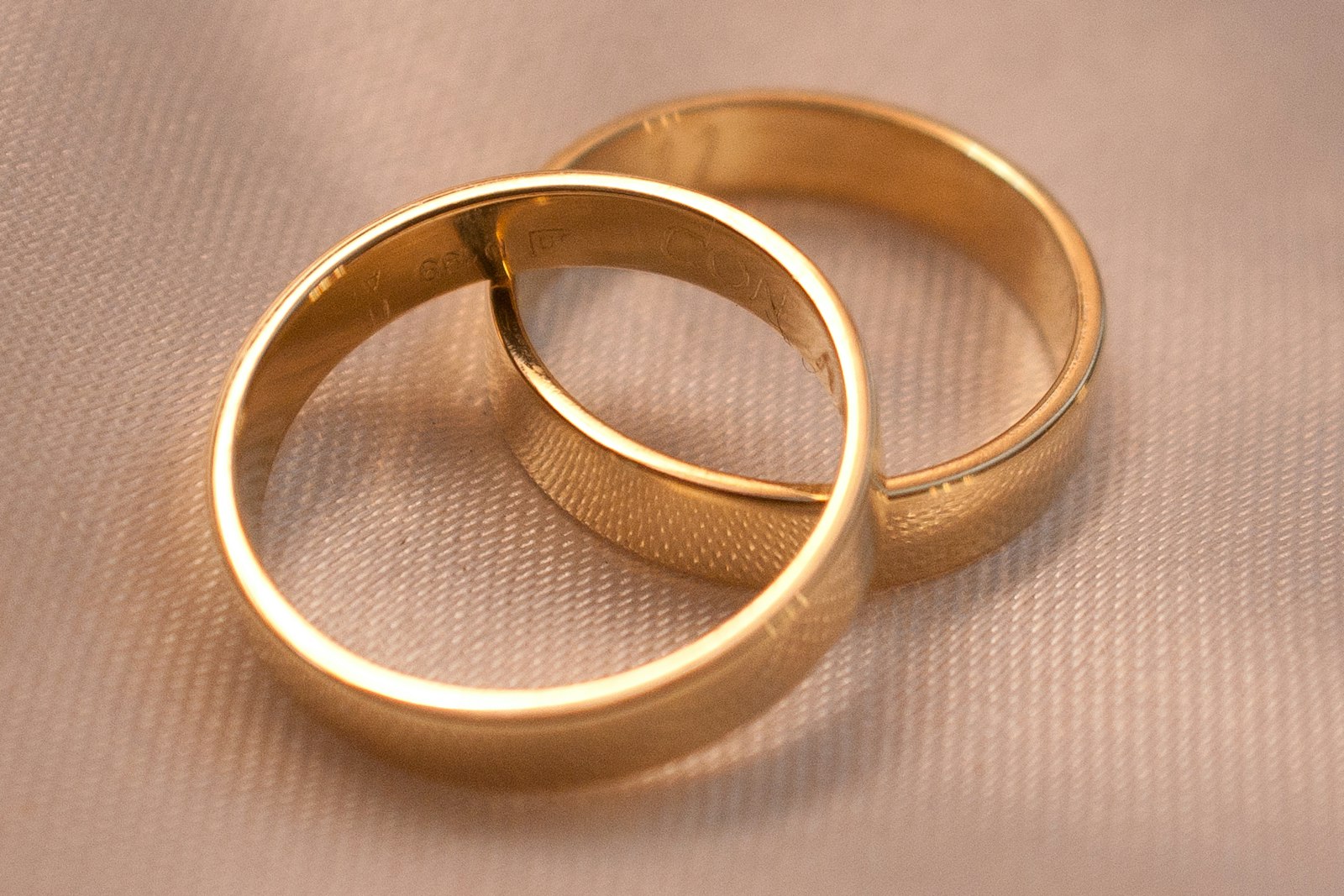
Yellow gold remains the classic jewelry choice, prized for its warm, timeless appeal and proven durability across centuries. Its enduring popularity speaks to its versatility and universal appeal across ages, cultures, and fashion cycles.
Characteristics:
- Naturally yellow, maintains color over time
- Soft pure gold alloyed with other metals for durability
- Standard alloys: 14K (58.3% gold) and 18K (75% gold)
- Warm tone flatters many skin tones
- Shows scratches and wear visibly, which some consider character
Advantages:
- Timeless appeal that transcends trends
- Warm aesthetic complements most complexions
- Widely available and accessible
- Relatively affordable compared to platinum
- Can be easily resized and repaired by most jewelers
- Rich history and cultural significance worldwide
Considerations:
- Requires periodic professional polishing (annual recommended)
- Shows scratches and wear more visibly than other metals
- Softer than platinum, requiring careful handling during active wear
- May require replating if mixed with alloys over decades
- Not hypoallergenic (though nickel-free options available)
Investment & Resale Value: Yellow gold typically retains 40-60% of its original value upon resale, depending on craftsmanship and purity.
White Gold: Modern Sophistication
White gold offers platinum’s silvery appearance at a significantly lower cost, making it an accessible alternative for those seeking contemporary elegance. This metal has dominated engagement ring trends for the past two decades.
Characteristics:
- Yellow gold alloyed with white metals (nickel, palladium, silver)
- Rhodium plating provides bright white finish
- Requires replating periodically (every 2-3 years recommended)
- Available in 14K and 18K
- Naturally pale yellow; whiteness comes from plating and alloys
Advantages:
- Bright, contemporary appearance
- Significantly more affordable than platinum
- Highly versatile, complements all skin tones
- Easier to maintain than rose gold
- Readily available from jewelers worldwide
Considerations:
- Requires replating to maintain white finish, adding ongoing costs
- Potential nickel allergies (watch for nickel-free options)
- Shows dirt and oils easily, requiring frequent cleaning
- Plating is not permanent and degrades with wear
- Requires professional jeweler for quality replating
Maintenance Tip: Budget $100-300 for replating every 2-3 years to keep your white gold jewelry looking pristine.
Rose Gold: The Contemporary Trend
Rose gold has experienced a remarkable resurgence in popularity, particularly among younger consumers and fashion-forward jewelry enthusiasts. Its romantic appearance and distinctive color have made it a favorite for modern engagement rings and statement pieces.
Characteristics:
- Yellow gold alloyed with copper (copper creates pink hue)
- Higher copper content creates deeper rose tones
- Very fashionable in current market (peaked 2018-2025)
- Beautiful complement to warm and neutral skin tones
- More durable than white gold due to copper’s strength
- Warmer undertones than yellow gold
Advantages:
- Trendy and fashionable, appeals to modern aesthetic
- Warm, romantic aesthetic
- No plating needed; color is intrinsic
- More durable than white gold (less maintenance)
- Complements warmer complexions beautifully
- Stands out from traditional gold/platinum options
Considerations:
- Can be harder to resize due to copper content
- Copper allergies (rare but possible in sensitive individuals)
- Fashion trends can date rose gold pieces quickly
- Limited jeweler expertise compared to yellow/white gold
- Price premium for rose gold versus yellow gold (10-15% higher)
Longevity Note: While rose gold is fashionable now, consider whether you’ll love the color in 20-30 years when trends shift.
Platinum: The Premium Choice
Platinum is the premium choice for fine jewelry, representing the pinnacle of durability and luxury. This metal choice signals both investment and commitment.
Characteristics:
- Pure element (95-98% platinum content)
- Extremely durable and dense
- Naturally white, never requires plating
- Hypoallergenic (safe for sensitive skin)
- Significantly more expensive than gold
- Heavier than gold (about 60% heavier)
- Develops attractive patina over time
Advantages:
- Extremely durable; lasts multiple generations with proper care
- Pure white color needs no replating or whitening
- Hypoallergenic; safe for all skin types
- Timeless, never goes out of style
- Holds gemstones securely with superior setting strength
- Patina develops over time (considered desirable by many)
- Ideal for heirloom pieces
Considerations:
- Expensive (often 8-10x the cost of 14K gold)
- Heavy; can cause fatigue with extended wear
- Limited jewelers work with platinum; fewer repair options
- Pricing reflects weight; platinum jewelry costs more by weight
- Scratching is visible (though doesn’t remove material like gold)
- Requires professional jeweler for any repairs
Investment Value: Platinum typically retains 60-80% of purchase value, making it superior to gold for resale.
Sterling Silver: Accessible Beauty
Sterling silver offers beauty at accessible prices, making fine jewelry affordable for many budgets. It’s an excellent choice for earrings, necklaces, and casual wear pieces.
Characteristics:
- 92.5% silver content (sterling standard)
- Soft and malleable, easy to work with
- Prone to tarnishing (oxidation darkens surface)
- Much more affordable than precious metals (5-10% of platinum cost)
- Less suitable for engagement rings due to softness
Advantages:
- Very affordable; accessible to budget-conscious buyers
- Beautiful appearance; hypoallergenic for most
- Versatile; complements all styles and skin tones
- Easy for jewelers to repair and resize
- Excellent for delicate, detailed work
Considerations:
- Requires regular polishing to prevent tarnishing
- Tarnishes easily when exposed to air and humidity
- Too soft for daily-wear engagement rings
- Can cause allergic reactions in rare cases (usually nickel content)
- Resale value is minimal (primarily scrap value)
- Requires consistent maintenance to look pristine
Care Routine: Store silver jewelry in airtight containers and polish monthly with commercial silver polish for best results.
Where to buy sterling silver jewellery
SilverRushStyle carries a wide range of sterling silver rings, pendants and earrings, many set with natural gemstones. Check the hallmark and the metal description on any piece before you buy.
Browse sterling silver at SilverRushStyle → (affiliate link)
Modern Alternatives: Emerging Options
The jewelry metals market continues to innovate, offering new alternatives for contemporary consumers.
Palladium: A white metal similar to platinum but lighter and more affordable. Excellent durability and hypoallergenic properties make it ideal for sensitive skin. Often blended with gold in white gold alloys. Price point: 30-40% less than platinum, comparable durability.
Titanium: Extremely durable and lightweight, making it popular for active-lifestyle jewelry. Hypoallergenic and affordable. Primary limitation: difficult to resize or repair; requires specialized jewelers. Excellent for casual, modern designs.
Stainless Steel: Industrial but increasingly refined for jewelry. Very affordable and hypoallergenic. Durability is excellent. Less aesthetically refined than precious metals for formal jewelry, but increasingly popular for contemporary designs. Resists tarnishing and corrosion.
Tungsten Carbide: Emerging option offering extreme hardness and scratch resistance. Affordable and durable. Limitation: brittle and difficult to resize. Best for casual, fashion-forward pieces.
Choosing Your Metal: A Practical Decision Framework
Consider These Factors:
- Skin Tone: Warm skin tones complement yellow and rose gold beautifully; cool skin tones favor white gold and platinum; neutral skin tones work with all options.
- Durability Needs: Platinum and palladium excel for daily-wear engagement rings; other options suit earrings, pendants, and occasional wear.
- Budget: Silver and titanium are most affordable ($100-500); gold varies ($300-2,000+); platinum is most expensive ($2,000-15,000+).
- Allergies: Platinum, palladium, and titanium are hypoallergenic; some white gold contains nickel; ask your jeweler about nickel-free options.
- Maintenance Tolerance: Yellow gold and rose gold require minimal maintenance; white gold needs replating; silver requires frequent polishing; platinum requires professional cleaning.
- Lifestyle: Active lifestyles benefit from platinum’s durability; casual wear allows more flexibility and experimentation.
- Investment Intent: If resale value matters, platinum and yellow gold retain value best; silver is primarily scrap value.
Metal Care & Maintenance Guide
Yellow Gold: Annual professional polishing maintains luster and removes fine scratches. Home polishing with soft cloth and mild soap weekly extends shine.
White Gold: Replating every 2-3 years maintains bright white appearance. Professional cleaning quarterly keeps brilliance. Avoid abrasive cleaners that remove plating.
Rose Gold: Occasional professional polishing keeps it lustrous. Monthly gentle polishing with soft cloth prevents dulling. Avoid harsh chemicals.
Platinum: Periodically return to jeweler (annually recommended) for professional polishing and inspection. Home cleaning with lukewarm soapy water maintains shine.
Silver: Regular polishing with commercial silver polish prevents tarnishing. Weekly gentle polishing maintains appearance. Store in anti-tarnish bags for extended periods.
The Perfect Choice for Your Lifestyle
Your metal choice is deeply personal and multifaceted. Whether you prefer platinum’s pure luxury and durability, gold’s warm timelessness, rose gold’s modern romance, or silver’s accessible beauty, the perfect metal complements your style, skin tone, and lifestyle.
Many jewelry experts recommend owning pieces in multiple metals, allowing you to express different facets of your aesthetic while accommodating various occasions. A rose gold everyday ring, a platinum engagement piece, and a silver statement necklace create versatile options for any situation.
Consider not just how jewelry looks today, but how it will look and wear over decades. The best metal choice is one you’ll love wearing for years to come—because the most expensive jewelry is the piece you never wear.
Still deciding? The buying guides cover what to check before you commit, and the diamond education guides explain how grading and pricing actually work.